
Chalmette Neighbor Records by Block
Public block records answer narrow questions. The parcel viewer shows how lots touch. The Assessor names the taxpayer or assessed owner and separates a property's physical address from its mailing address. The voter portal can return registered voters at one address, subject to protection rules. Parish planning files and archives show public decisions tied to a street or project. Community organizations add local context, but no verified public member roster was found for the listed civic groups.
| Source | What It Shows About a Block | Access |
|---|---|---|
| GIS Property Viewer | Parcel shapes, streets, addresses, zoning, subdivision and flood layers | Free dynamic map; not title proof |
| St. Bernard Assessor | Owner or taxpayer, parcel, physical and mailing addresses, value and legal locator | Free individual parcel search |
| Voter AddressLogin | Registration matches at one nearby address | Free; protected fields suppressed |
| Clerk conveyance index | Transfers, liens, plats and recorded legal descriptions | Paid eSearch or office request |
| Parish and civic archives | Planning cases, ordinances, public projects and group agreements | Archive search or records request |
An owner's name can be useful without identifying an occupant. The mailing address may differ from the situs address, the term used for the parcel's physical location. A voter match applies only to registered voters. Visitors, nonregistered adults, children, protected people, and other household members do not become visible through these sources. For that reason, a careful Chalmette neighbors search labels each person as owner, taxpayer, registered voter, recorded party, or public group contact.
Browse Chalmette Neighbor Parcels
The official ArcGIS Property Viewer is the spatial starting point. Locate the target street and inspect the parcel polygon at the address. Pan to each adjoining polygon and record its parcel number, address, subdivision or lot context, and visible layer labels. The research did not verify a radius, buffer, or select-by-rectangle control, so map browsing and parcel clicks are the documented method.
Move from map to roll, not from map to assumptions. Open the St. Bernard Assessor property search for every parcel number. Copy both the physical and mailing address. Note the owner, legal locator, exemption field and deed reference. A homestead exemption or matching mailing address may support an owner-occupancy inference, but it still does not list every neighbor.
Block flow: target address → map polygon → adjacent parcel numbers → Assessor cards → carefully labeled owner records.
The parish GIS disclaimer says map information is not legal title. Use the Clerk's recorded instrument when ownership must be established from the official conveyance record.
Check a Chalmette Block
A repeatable check prevents gaps and double counting. Work around the immediate block in one direction and retain the source date for every entry. Corners can introduce a second street name, while a parcel's postal label may not match its legal description. Use parcel numbers as the stable bridge.
- Find the target in the GIS viewer and note its parcel number, street and subdivision context.
- Click the parcels on both sides and across the street. Keep each parcel and address on its own line.
- Check each parcel in the Assessor roll. Separate assessed owner, mailing address and physical address.
- Use the voter address form only for a specific address, then mark results as registered-voter matches.
- Send a focused request for public planning, permit, ordinance or recorded files when the online layers do not answer the question.
This method stays close to one address. A search along the full named road belongs in the Chalmette street directory, where address-keyed records can be followed street by street.
Chalmette Neighbors on Voter Rolls
The Louisiana voter address search asks for a five-digit ZIP, address, optional apartment or lot, and city. The page says it provides voters at an address. That makes it useful for checking a precise location, not for exporting an entire block or naming every resident. Compare each match with the exact street spelling and apartment field.
A broader official voter-list product can use parish, ward, precinct and address components. It is purchased through the Secretary of State process and carries legal restrictions. The electronic file can include residence and mailing components, status, party, age, districts, last-voted data, and optional participation history. Participation does not reveal a ballot choice. Sensitive fields and protected categories cannot be treated as a public neighbor directory.
Louisiana R.S. 18:154 protects specified personal data and Address Confidentiality Program records. It also limits circulation or disclosure of protected fields in commercial lists. Use the public address form one location at a time unless a lawful block-level need truly calls for the official list process.
Note: A voter address result confirms registration evidence, not every occupant and not the present makeup of a Chalmette household.
Chalmette Neighborhood Civic Layers
St. Bernard Parish Quick Links names several civic and community groups. The list establishes a public organizational layer, but it does not expose member households. Contact information and current activity should be confirmed through the parish or each group's public channel.
Murphy and Judy Drive
Concerned Citizens Around Murphy and Judy Drive Civic Association appear in parish Quick Links. No public member directory was verified.
Lexington and Oak Ridge
Lexington Place Civic Corporation and Oak Ridge Park are listed civic layers. Ask for a current public contact, not a private roster.
District C
Rediscover District C appears with parish community links and can supply public project or meeting context.
Old Arabi
Archive records document an association and a public neighborhood commission, while private membership remains outside the record.
The St. Bernard Chamber, Economic Development, and Los Isleños Heritage and Cultural Society provide business or cultural contacts rather than household lists. Nunez Archives holds community references and oral histories. Together, these sources can explain the block's institutions without claiming that group membership identifies who lives next door.
Old Arabi Neighbor Records
Old Arabi has an unusually visible public preservation trail. Parish archives contain 2017 and 2025 cooperative-endeavor or facilities-use records involving the Old Arabi Neighborhood Association and Aycock Street Barn. A 2024 ordinance established the Old Arabi Neighborhood Commission for preservation and redevelopment issues. These are governmental agreements and public actions, not a directory of private members.
Review the official ordinance archive before searching names.
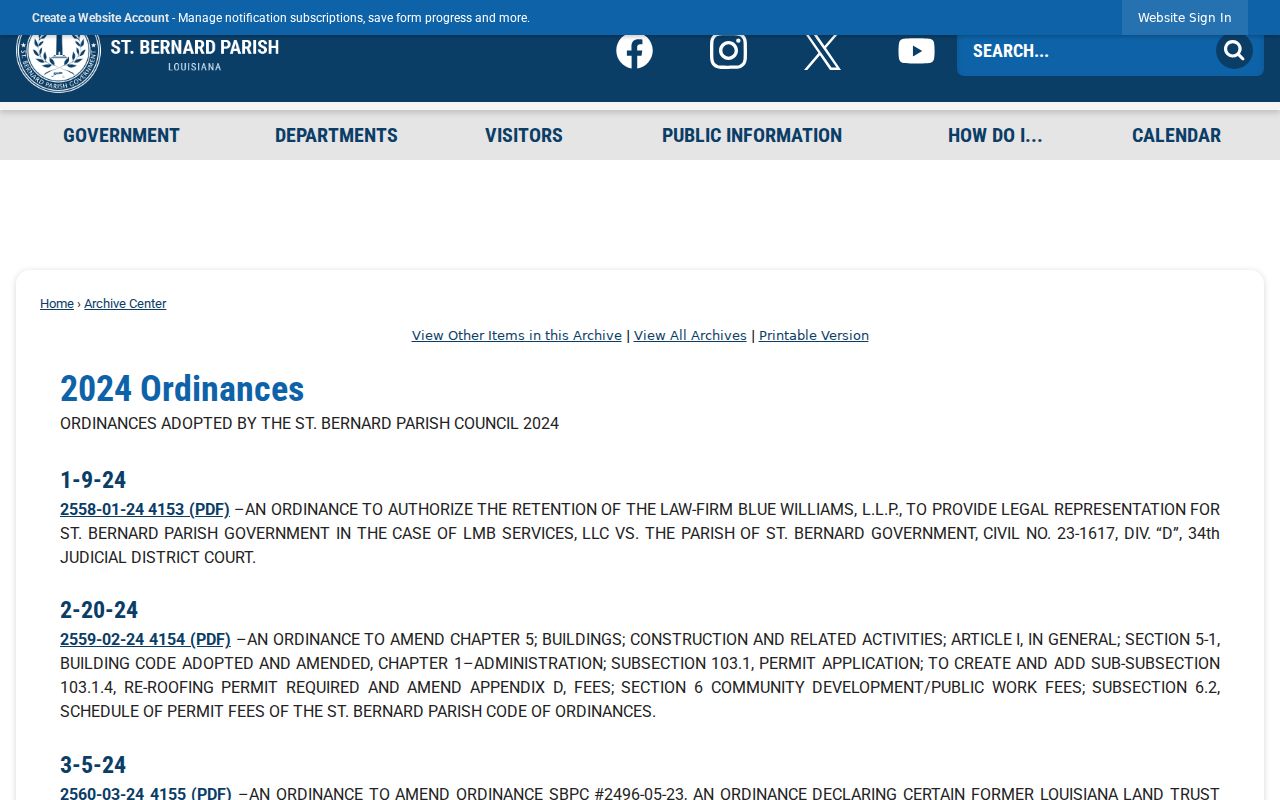
The archive gives a dated civic record that can be tied to public meetings, facilities and preservation work, not to private households.
This timely layer matters near Chalmette because block questions often cross mailing-place or community labels. Preserve the exact street, parcel and archive category rather than treating Old Arabi, Chalmette and St. Bernard Parish as interchangeable boundaries.
Chalmette Community Record Help
The St. Bernard Parish Library provides a public place to ask about local papers, meeting material and community references. Its new library information describes a 25,000-square-foot Meraux facility with study, meeting, computer and Wi-Fi space. The reviewed public pages did not identify a genealogy database, neighborhood directory, obituary index or microfilm run, so call the reference desk before relying on a particular holding.
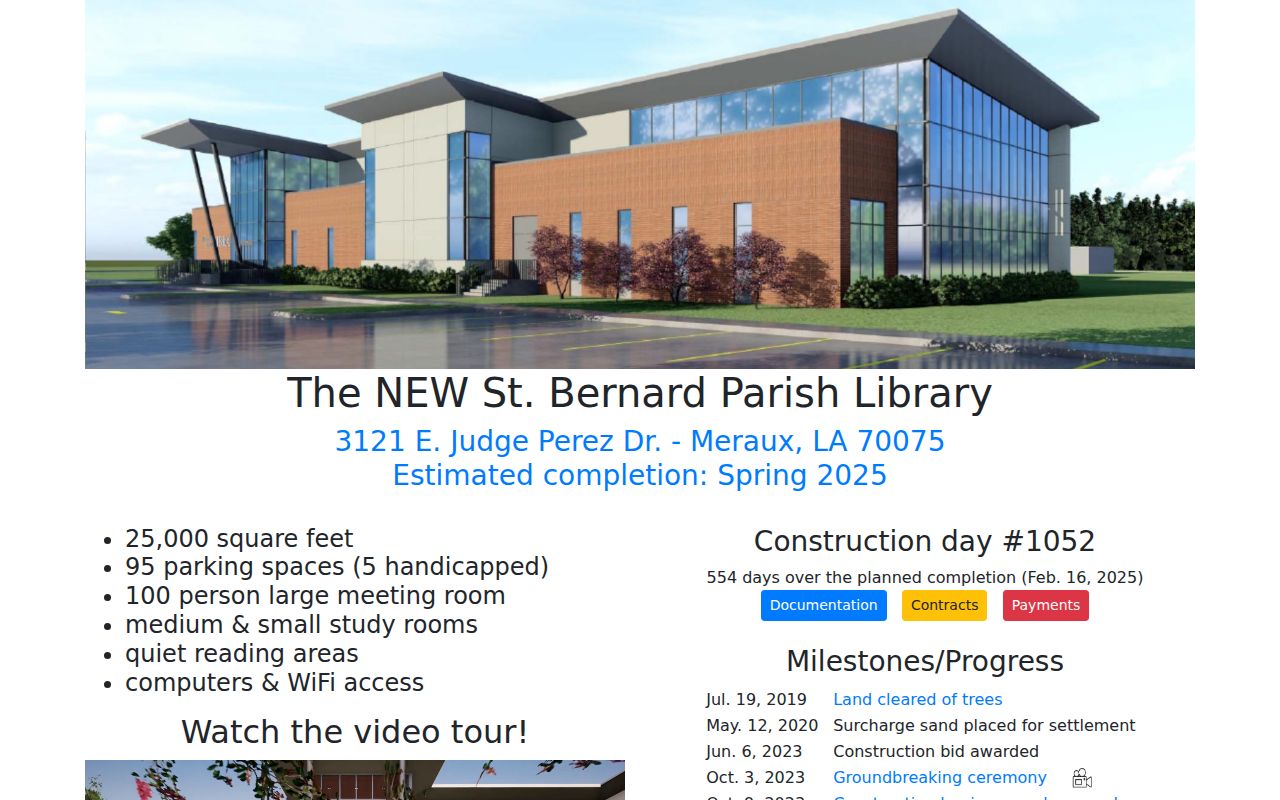
The facility is a practical access point for help with public community records, even when no searchable roster exists online.
Nunez Community College Archives adds local finding aids, oral histories, clippings, maps and a large Frank Fernandez index. Ask with a person, street, organization and date range. Staff research may reveal public context while respecting the absence of a current resident list.
Official Chalmette Neighbor Sources
Official records and commercial neighbor tools serve different roles. The official source identifies its custodian, field meaning and correction route. A commercial compilation may join old addresses and public data, but it can merge same-name people, lag after moves, and obscure where a fact came from.
| Question | Official source | Commercial category risk |
|---|---|---|
| Which lots touch? | Parish GIS parcel viewer | Map boundaries may be simplified or stale |
| Who is assessed? | St. Bernard Assessor | Owner may be mislabeled as occupant |
| Who is registered? | Louisiana Voter Portal | Protected or moved records may be mishandled |
| What civic action occurred? | Parish archive or records request | Source date and public role may be lost |
Use a parcel number, instrument number, ordinance number or exact address to verify the record with its custodian. Do not pay a third party merely because it repeats facts that can be checked through the official source.
Chalmette Neighbor Privacy Limits
Public property records do not identify every person at a parcel. Utility customers, delivery data, DMV addresses, school-student records, medical information and private association membership are not public address directories in the sources reviewed. A nonregistered person or protected voter may not appear in an ordinary address search. That absence must be respected.
The Louisiana Address Confidentiality Program, created under La. R.S. 44:51-57, provides eligible victims with a substitute address. Their actual physical address and telephone number are not public. The program does not give a new identity, but its protected data cannot be bypassed through a neighbor lookup.
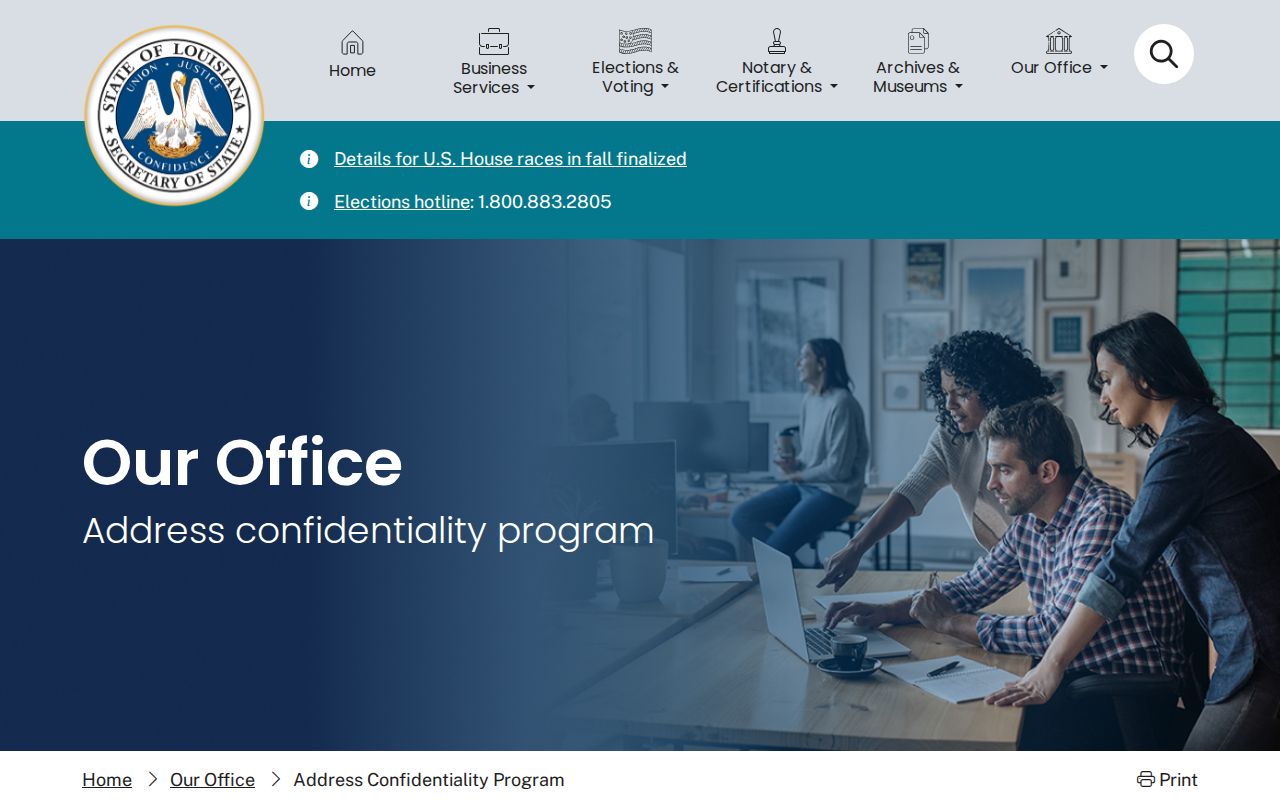
The official program page shows the proper safety route and explains why a missing physical address is a legal boundary.
Lawful use. Research about Chalmette neighbors must remain personal and lawful. Never use public data to watch, expose, harass, threaten, or intimidate anyone.
Louisiana Public Records Law opens qualifying government records while preserving statutory exemptions. Review the official Title 44 law table before making a request.
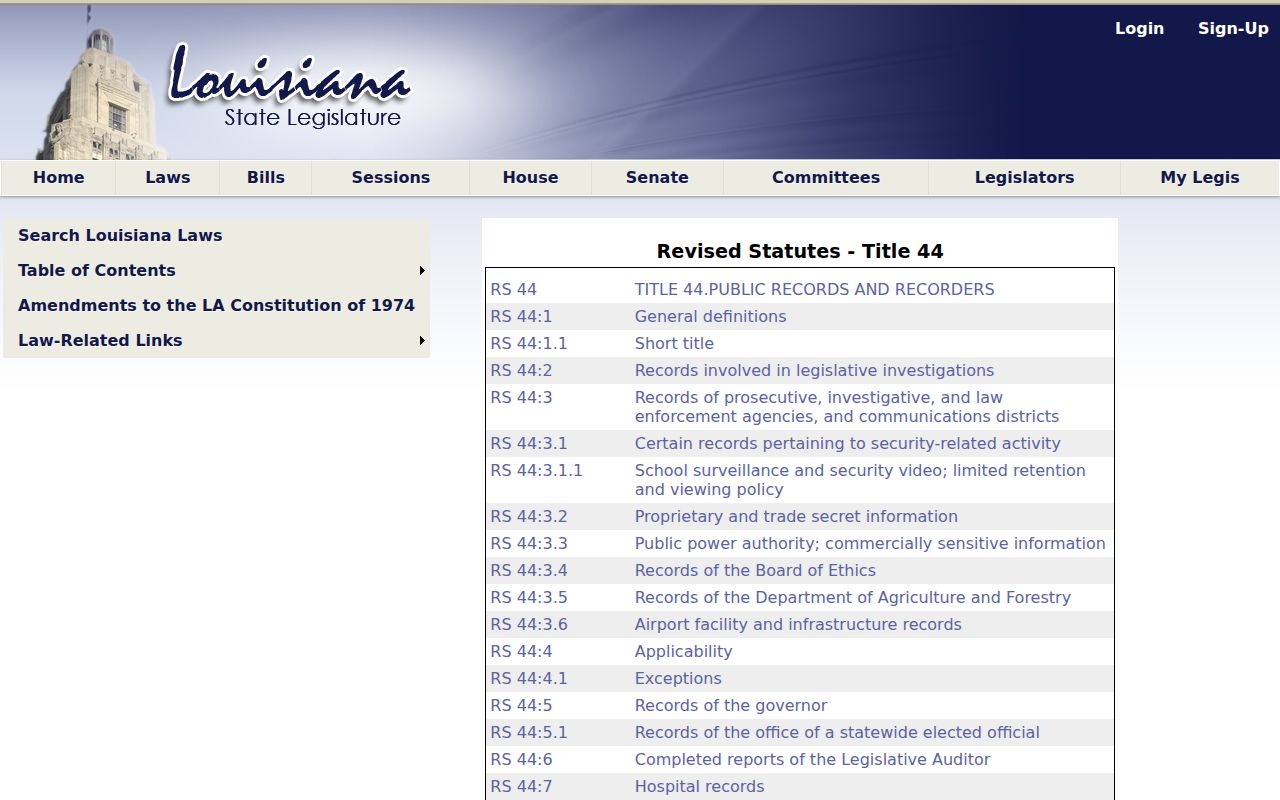
The law table is the correct starting point for access and exemption questions, followed by a focused request to the office that holds the record.